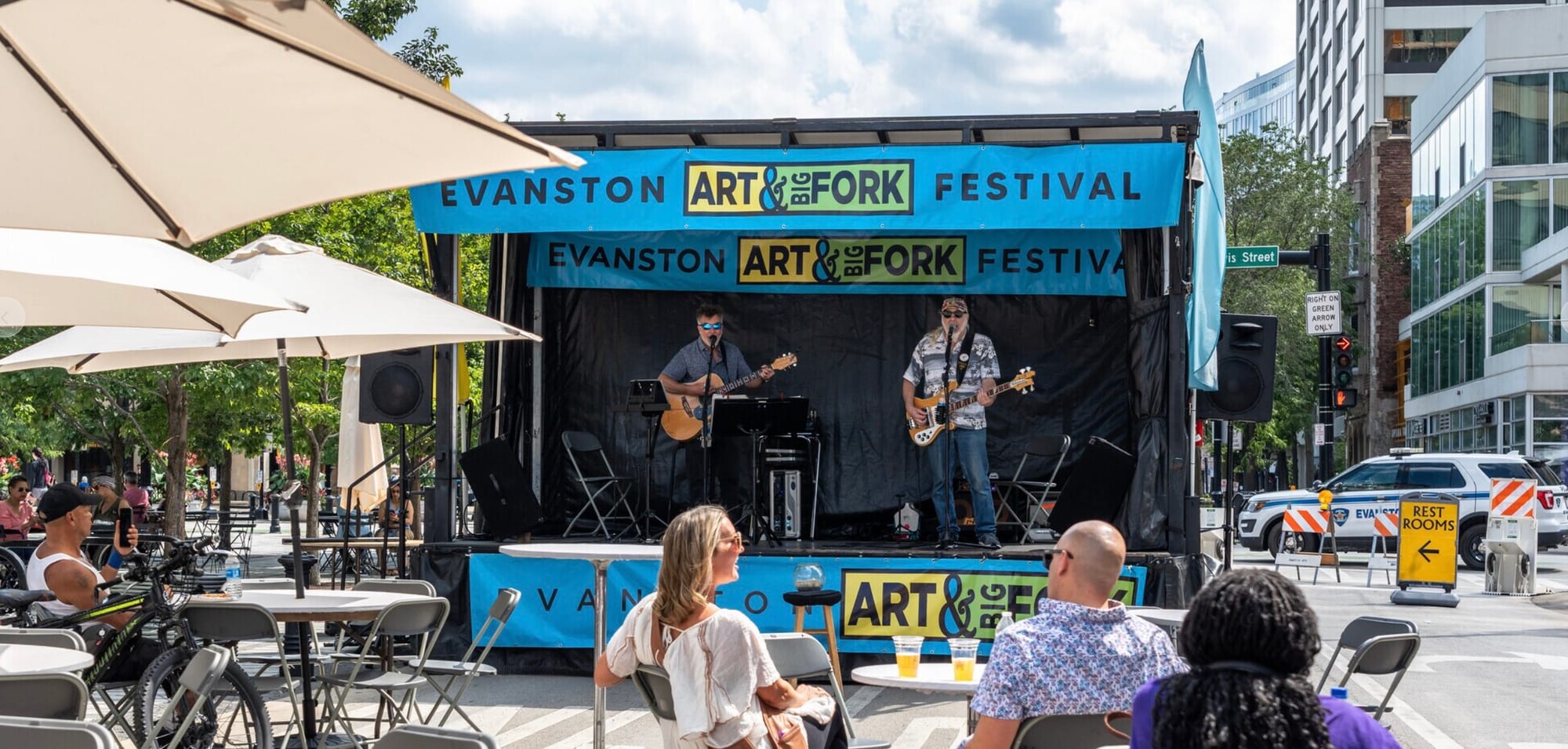
Many people arrive at this stage after choosing a metro and narrowing to several suburbs that all appear to have solid downtowns. On paper, they look similar. In person, the differences can be hard to spot.
A suburban downtown that is working tends to deliver two things at once: a more livable day-to-day lifestyle and stronger long-term demand for nearby homes. When the downtown functions as part of everyday routine, not just as a weekend destination, it shapes where they spend time, and how long they stay.
The challenge isn’t deciding whether a downtown is attractive. It’s figuring out whether it actually functions as part of everyday life, or whether it only comes alive during events and weekends.
Why ordinary weekdays matter more than weekends
Almost any downtown can feel lively on a Saturday. Events, crowds, and novelty can hide structural weaknesses.
Weekdays tell you whether a downtown is part of daily routine or just a destination.
Places that hold value over time tend to show signs of life when nothing special is happening — when people are there because they live nearby, work nearby, or need to run errands.
That’s why this guide emphasizes weekday observation over weekend impressions.
Step 1 — The Tuesday Test (not Saturday)
If you can only visit once, go on a Tuesday or Wednesday.
What to look for
- People there without an event underway
- A mix of ages and activities, not just diners
- Businesses open and in use throughout the day
What to be cautious about
- A downtown that feels empty or dormant until dinner
- Activity that appears mainly on weekends
- Retail that looks staged rather than lived-in
If a place only works when it’s programmed, demand is thinner than it looks.
Step 2 — The Time-of-Day Walk
If possible, visit at more than one time of day. Downtowns that work well tend to work in layers.
Morning (7–9am)
- Coffee shops open and active
- People walking with purpose (passing through on their way to work, school, transit, etc.
- Parents with kids or commuters passing through
Midday (11am–2pm)
- Lunch traffic beyond restaurants
- Errands being run
- Offices, civic uses, or institutions contributing foot traffic
Early evening (5–7pm)
- People lingering after work or errands instead of just passing through
- Families and couples walking around casually without a quick-turn purpose
- A sense that the day doesn’t abruptly end
Healthy downtowns don’t rely on a single peak. They have overlapping waves of use.
Step 3 — Look for daily errand spots, not just places to eat
Restaurants create weekends. Errands create daily routines.
Positive signals
- Grocery store, market, or pharmacy nearby
- Library, post office, or civic building within walking distance
- Everyday services mixed into the core
Why this matters
Routine use creates repetition. Repetition supports businesses. Businesses support long-term demand.
If people only come downtown to eat or attend events, the place is more fragile than it appears.
Step 4 — Watch how people move
Stand still for a few minutes and observe movement patterns.
Good signs
- Multiple ways to arrive on foot
- People crossing streets casually, as though they are not in a hurry to get out
- Side streets feeding into the core
- Short blocks and frequent intersections (long straight roads are built for cars, short blocks and frequent intersections signal friendlier pedestrian energy)
Red flags
- Everyone arriving by car
- Big roads acting as barriers
- One obvious entry point
- Pedestrians waiting long stretches to cross
If walkability stops at the edge of a project, it won’t shape everyday behavior.
Step 5 — Notice how the place is built
You can learn a lot without knowing who owns what.
Signals of adaptability
- Buildings of different ages
- Storefronts of different sizes
- Slightly uneven edges
- Variety in signage and use
Signals of fragility
- Everything looks the same age
- Every space feels curated
- Vacancies cluster together
- One change affects the whole place
Downtowns that evolved in pieces tend to age better than those launched as a single idea. Master-planned neighborhoods in suburbs can be nice for families but downtowns that are modern "master-planned" lack the character that drives value.
Step 6 — Look for weekday institutions
Ask yourself one simple question: Why would someone be here at noon on a Tuesday?
Strong answers include:
- Library
- School or university presence (It's why colleges in suburbs are awesome - see Berkeley, Evanston, etc.)
- Civic offices
- Medical or professional offices
- Community or cultural centers
Institutions provide baseline activity that restaurants alone can’t sustain.
Step 7 — Observe social behavior, not just density
Crowds alone don’t tell you much.
Things to watch for
- People stopping to talk
- Kids playing while adults chat
- Familiar faces acknowledging each other
- People sitting without buying anything
These behaviors signal longer tenure and stronger attachment, both of which support stable demand. When high school seniors visit colleges to decide if they're a good fit, they instinctively review the social culture of the campus. Do the exact same thing for a suburban downtown.
Step 8 — Check how parking is handled
Parking patterns reveal priorities.
Healthier patterns
- Parking behind buildings
- Shared parking structures
- On-street parking that slows traffic
- Minimal surface lots in the core
Riskier patterns
- Large surface lots fronting main streets
- Downtown broken up by parking fields
- Long walks across empty asphalt
Parking-heavy cores limit future upside, even if they feel convenient today.
Step 9 — Ask one local question
If you talk to someone who lives nearby, ask something simple:
“Do you come down here during the week, or mostly on weekends?”
or
“Is this part of your normal routine?”
You’re not listening for enthusiasm. You’re listening for casualness.
Routine use sounds unremarkable, and that’s the point.
Step 10 — Imagine change
End by asking yourself:
Could this place change one building at a time?
Places that hold value over decades tend to:
- Absorb new uses
- Adapt to new demographics
- Evolve without starting over
Places that need a full reinvention every 10–15 years carry more risk.
Putting it together
No single signal guarantees success. But when many of these show up together, you’re likely looking at a downtown that functions as everyday infrastructure, not just a well-designed destination.
That difference matters because places that work day to day tend to:
- Attract deeper buyer pools
- Recover faster across cycles
- Feel easier to live in long term
Apply this where you’re looking
If you’re comparing suburban downtowns within a metro, the hardest part is keeping these signals straight across multiple places.
LookyLOO lets you search suburbs, filtered by whether they have a good downtown and then you can save candidates with notes about strengths and weaknesses. You can also see what locals have to say about living there and compare how different downtowns actually function.
Related guides for comparing suburban downtowns
If you’re researching suburbs with downtowns, these guides are designed to work together, depending on where you are in the process.
- How to Tell If a Suburban Downtown Will Raise Home Values
Explains why certain downtowns continue to attract buyers and hold demand over time. - What High-Performing Suburban Downtowns Have in Common
Examples from different regions that show what this pattern looks like in the real world.