
Orlando Proper: Deep Dive Guide (2025)
← Back to Orlando & Central Florida Metro Overview
Orlando Proper Overview
Orlando Proper refers to the neighborhoods closest to Downtown and the city’s historic core. This is where the metro feels most compact. Homes, parks, schools, and restaurants sit closer together than they do in the outer suburbs.
People who choose Orlando Proper usually do so for the location. Commutes are shorter. Errands take less time. You spend less of the day on highways. This is not a large urban core. It is a set of neighborhoods clustered around a small downtown.
What Daily Life Is Like
Daily life in Orlando Proper centers around a few specific areas rather than one continuous downtown. The downtown core itself is small and largely office-driven, with most residents living just outside it in neighborhoods like College Park, Thornton Park, Audubon Park Garden District, and the Mills 50 District Main Street area.
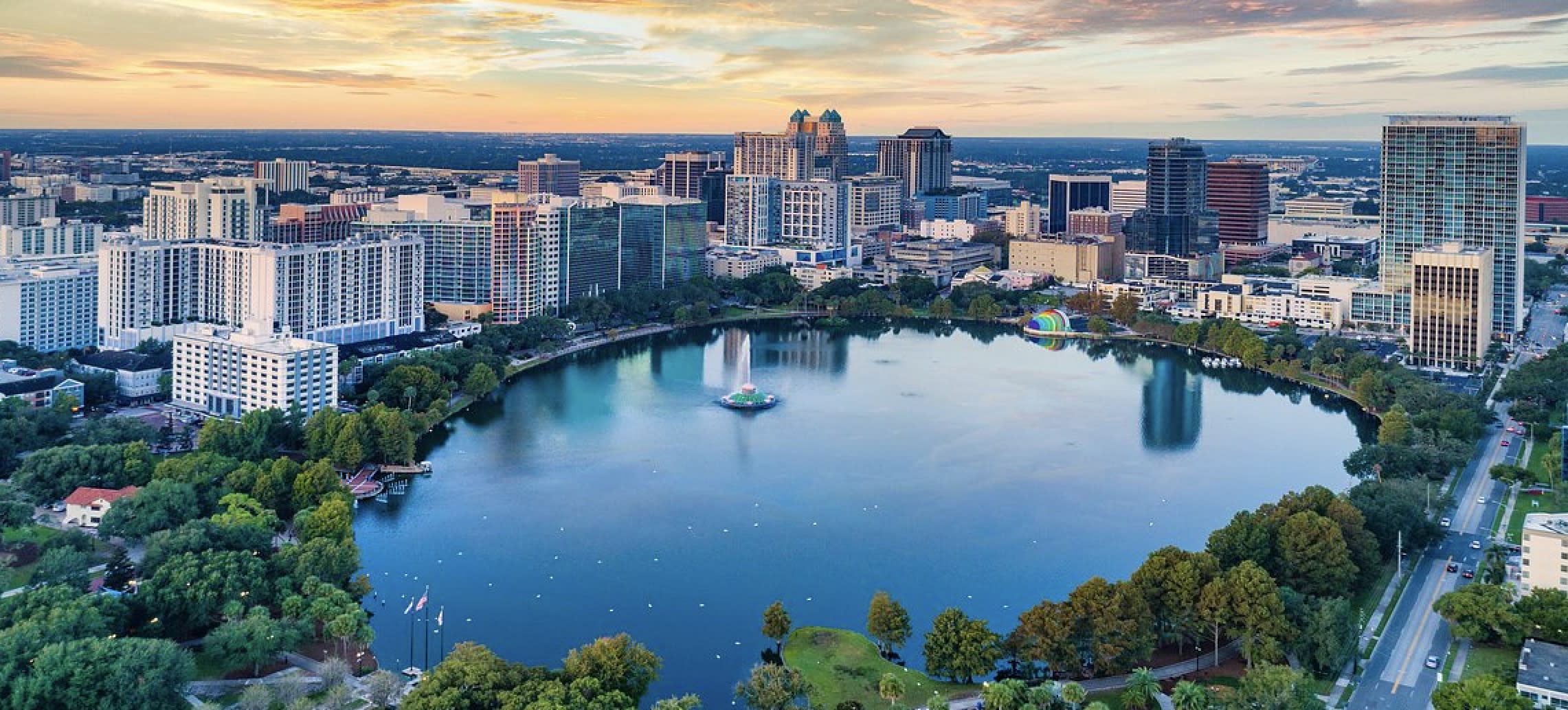
On weekdays, activity concentrates around familiar places. People walk around Lake Eola Park in the mornings and evenings. Coffee shops along Edgewater Drive in College Park and around Mills Avenue see regular local traffic, not just weekend crowds.
Neighborhood parks matter here. Lake Eola Park, Dartmouth Park, and smaller pocket parks get used throughout the week, especially by families who live nearby.
At night, most residential streets are quiet. Dining and nightlife are concentrated along specific corridors rather than spread across the city. Mills 50 draws people for dinner, while College Park stays calmer and more neighborhood-focused. Downtown itself is more active during events and games than on an average weeknight.
This is not an area where most people live within walking distance of everything they do, although it's better than most of the other regions for walkability.
Why People Choose Orlando Proper
People choose this part of the metro when they want to reduce driving and feel more like they're in a city. Many daily needs sit within a short trip. Some errands can be done without getting on a highway. Housing here tends to be older. That appeals to buyers who want established streets and mature trees. It also means fewer large developments and more variation from block to block.
For people working downtown, near the hospitals, or in adjacent business districts, living closer in can noticeably reduce commute time.
Tradeoffs to Know About
- Walkability changes quickly depending on the street. One area may feel connected, while another requires driving for almost everything.
- Housing stock is older. Renovations are common. Maintenance costs can be higher than in newer suburbs.
- School quality varies by zone. Families usually verify zoning before committing to a neighborhood.
- Prices often reflect location rather than size. Smaller homes can cost more than larger houses farther out.
Who Typically Lives Here
- Renters who want shorter commutes
- Young professionals working downtown or nearby
- Families who prefer older neighborhoods to new subdivisions
- Long-term residents who value proximity over space
Housing Snapshot
Housing in Orlando Proper includes a wide mix of styles. You will find bungalows, mid-century homes, duplexes, small apartment buildings, and newer infill. Large planned subdivisions are rare in this area (all over the areas farther from the city center).
Prices are generally higher than in the outer suburbs when adjusted for square footage. Buyers often accept smaller homes in exchange for location.
Commute Reality
Most residents drive, but trips are shorter. Many people avoid long stretches of I-4 by living closer to work. SunRail, the local rail line, can work for a limited set of commutes. It’s most useful for people living near stations in places like Winter Park or around the AdventHealth hospital area and commuting to downtown Orlando or north toward Lake Mary during standard work hours. For most other trips, especially those involving schools, errands, or off-peak schedules, driving is still the default.
Living here does not eliminate driving, but it reduces how much of the day is spent in traffic.
Schools
School quality in Orlando Proper depends heavily on zoning, and families usually choose neighborhoods with specific schools in mind rather than assuming consistency across the city.
In College Park, many families are drawn to zones feeding into Princeton Elementary School and Edgewater High School, which are among the more sought-after public school options within the city limits. Homes in these zones often carry a price premium relative to nearby areas.
Parts of Audubon Park and nearby neighborhoods feed into Audubon Park School, a K–8 school that is frequently cited by families choosing to stay within Orlando Proper rather than moving to outer suburbs.
Areas closer to Thornton Park and Downtown tend to have fewer consistently high-demand public school options, which is one reason those neighborhoods skew more renter-heavy and attract fewer families with school-aged children. Because boundaries can shift and vary by street, most families confirm zoning directly before buying. In Orlando Proper, school access is often a deciding factor rather than an afterthought.
Neighborhoods in Orlando Proper to Know
Downtown Orlando
What it’s like: Office-focused during the day, quiet at night
Who it works for: Renters and people working downtown
Housing: Condos and apartments, limited single-family homes
Schools: Limited options compared to the surrounding neighborhoods
Thornton Park
What it’s like: Residential streets close to downtown with cafes and small restaurants
Who it works for: Professionals who want proximity without living in a tower
Housing: Historic homes, townhomes, small apartment buildings
Schools: Varies by block
College Park
What it’s like: A cohesive neighborhood with its own commercial strip
Who it works for: Families and long-term residents
Housing: Older single-family homes with some infill
Schools: Often a deciding factor, but zoning should be verified
Audubon Park
What it’s like: Small residential area near Mills 50
Who it works for: Renters and buyers who prioritize local dining and shops
Housing: Bungalows, apartments, small multifamily buildings
Schools: Not usually the primary draw
Mills 50
What it’s like: Busy restaurant and nightlife corridor
Who it works for: Renters and younger residents
Housing: Apartments and older homes nearby
Schools: Limited appeal for families
SODO (South of Downtown)
What it’s like: Mixed residential and medical offices
Who it works for: Healthcare workers and proximity-focused buyers
Housing: Older homes and newer mid-fill developments mixed together
Schools: Variable
Is Orlando Proper a Good Fit?
Orlando Proper works best for people who want to live closer in and spend less time driving. It suits buyers who are comfortable with older homes and neighborhood-by-neighborhood differences.
People who want larger houses, newer construction, or predictable school zoning usually look farther out.
Comparing Orlando neighborhoods?
Save the areas you’re considering in LookyLOO so you can compare commute tradeoffs, housing types, and school zones in one place.