
Sanibel & Captiva: Deep Dive Guide (2025)
← Back to Fort Myers–Cape Coral Metro Overview
Sanibel & Captiva Overview
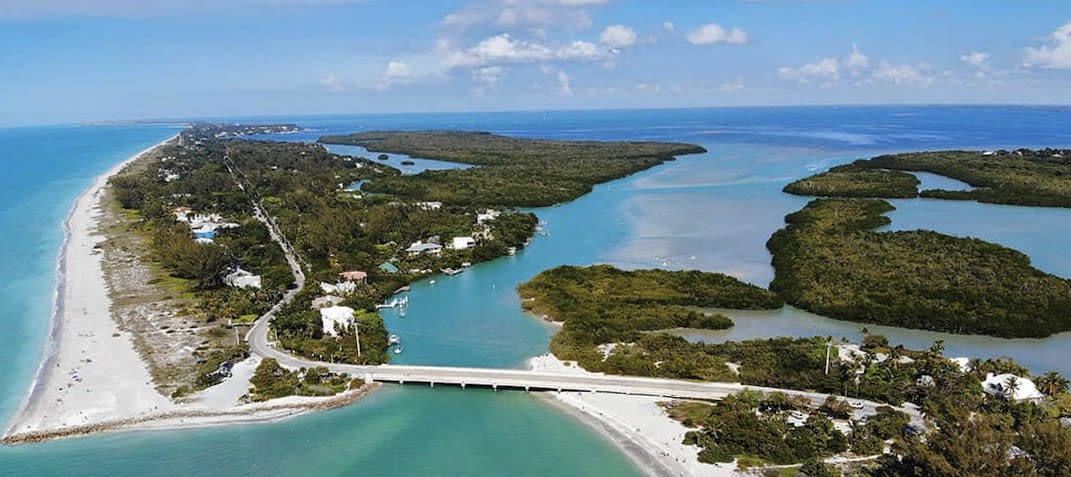
Sanibel and Captiva sit west of Fort Myers, connected to the mainland by a single causeway. These are barrier islands, not suburbs, and daily life here is shaped by water access, storm exposure, and limited infrastructure.
People choose these islands for beach proximity and natural surroundings, not convenience. Living here means accepting higher costs, fewer services, and planning most routines around bridge access and weather.
These islands function very differently from the rest of the Fort Myers metro in a way that locals love.
What Daily Life Is Like
Daily life on Sanibel and Captiva revolves around the beach and a relaxing outdoor lifestyle.
Many residents start mornings early. Beach walks, shelling, and bike rides happen before visitor traffic builds. Midday errands usually involve leaving the island, especially for groceries, medical appointments, or school.
There are small markets and local restaurants, but most residents rely on mainland Fort Myers for full services. Trips are often bundled into one longer outing rather than quick stops.
Evenings are quiet outside of the restaurant clusters.
Worklife and Commutes
Most full-time residents who work commute to Fort Myers or work remotely.
There is no major employment base on the islands. Jobs that do exist are mostly in hospitality, property management, or local services.
Bridge access is the key constraint. Traffic, storms, or maintenance closures can turn short commutes into long ones. This makes daily commuting harder to sustain over time.
Housing Snapshot
Housing on Sanibel and Captiva is limited and expensive relative to the rest of the metro. Common housing types include:
- Condos and townhomes
- Older single-family homes
- Limited new construction due to regulations
Flood and wind insurance are a major factor. Costs can change year to year. Post-storm repairs, permitting delays, and rebuild timelines are part of ownership reality.
Many owners are seasonal residents or second-home buyers who leave during peak hurricane season.
Schools
Sanibel and Captiva are part of Lee County School District.
There are limited public school options directly on the islands. Most families who live here full-time commute to schools on the mainland.
Because of logistics, full-time island living is uncommon for families with younger children, even though the school quality itself is not usually the deciding issue.
Who Sanibel & Captiva Work For
- Retirees and second-home buyers
- Buyers prioritizing beach access over convenience
- Households with flexible schedules
- Seasonal residents
Tradeoffs to Know
- Storm exposure and insurance volatility
- Limited services on-island
- Single access point to the mainland
- Fewer year-round social options
- High cost of ownership
Areas and Pockets to Know
Sanibel Interior Neighborhoods
What it’s like: Residential and quieter.
Who lives here: Long-term residents and second-home owners.
Similar nearby areas: Quiet pockets of Marco Island.
Captiva Island
What it’s like: Smaller, more remote, and resort-oriented.
Who lives here: Mostly seasonal residents.
Similar nearby areas: None locally. It operates as its own niche market.
Is Sanibel & Captiva a Good Fit?
These islands work best for buyers who want daily access to the beach and are comfortable trading convenience, cost stability, and commuting ease for that lifestyle.
They are a poor fit for families with school-age children, daily commuters, or buyers sensitive to insurance and weather-related risk.
Comparing Sanibel & Captiva with Fort Myers Proper or Cape Coral?
Save the areas you’re considering in LookyLOO so you can compare housing costs, insurance exposure, commute reality, and daily routines before deciding.