








178,901
Population
Sunny Days: 200
95100 Affordability
75100 Schools
90100 Diversity
90100 Safety
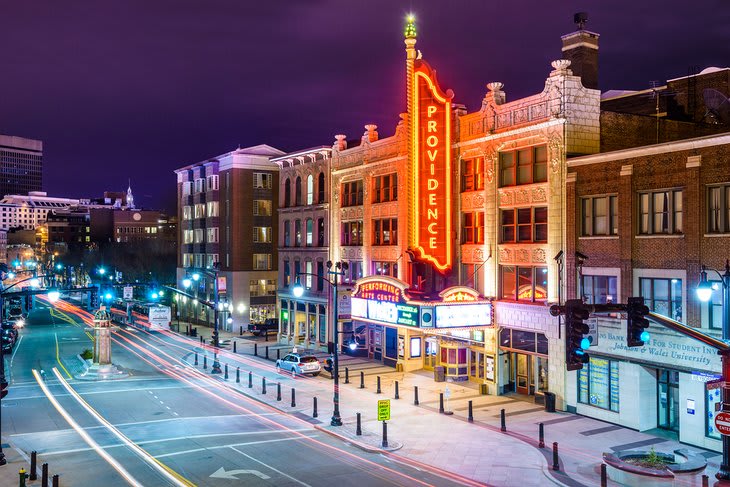
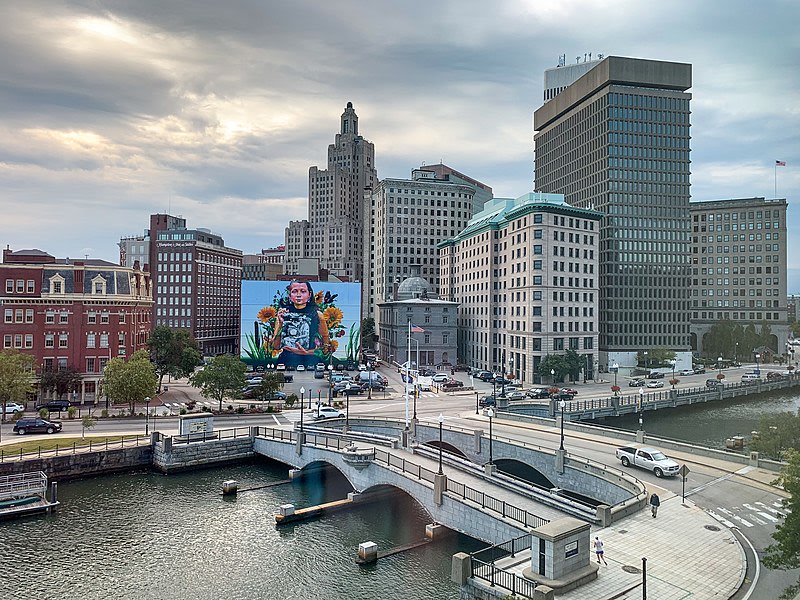
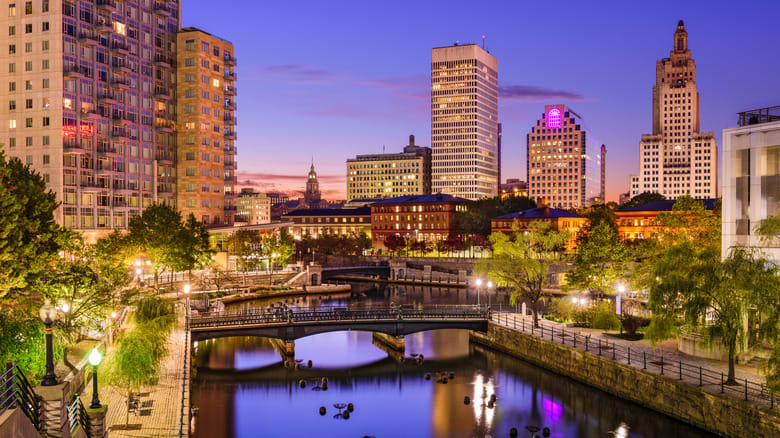
Downtown Providence Skyline
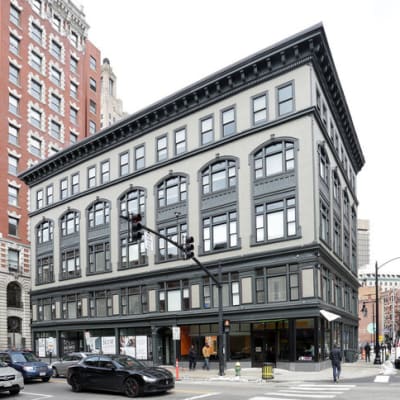
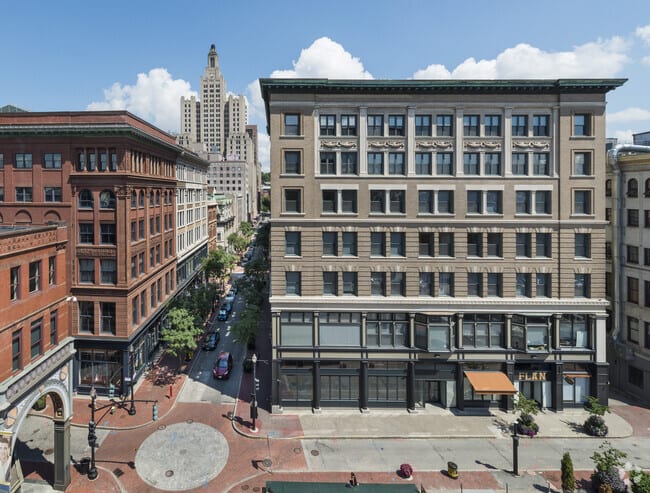
Downtown Providence
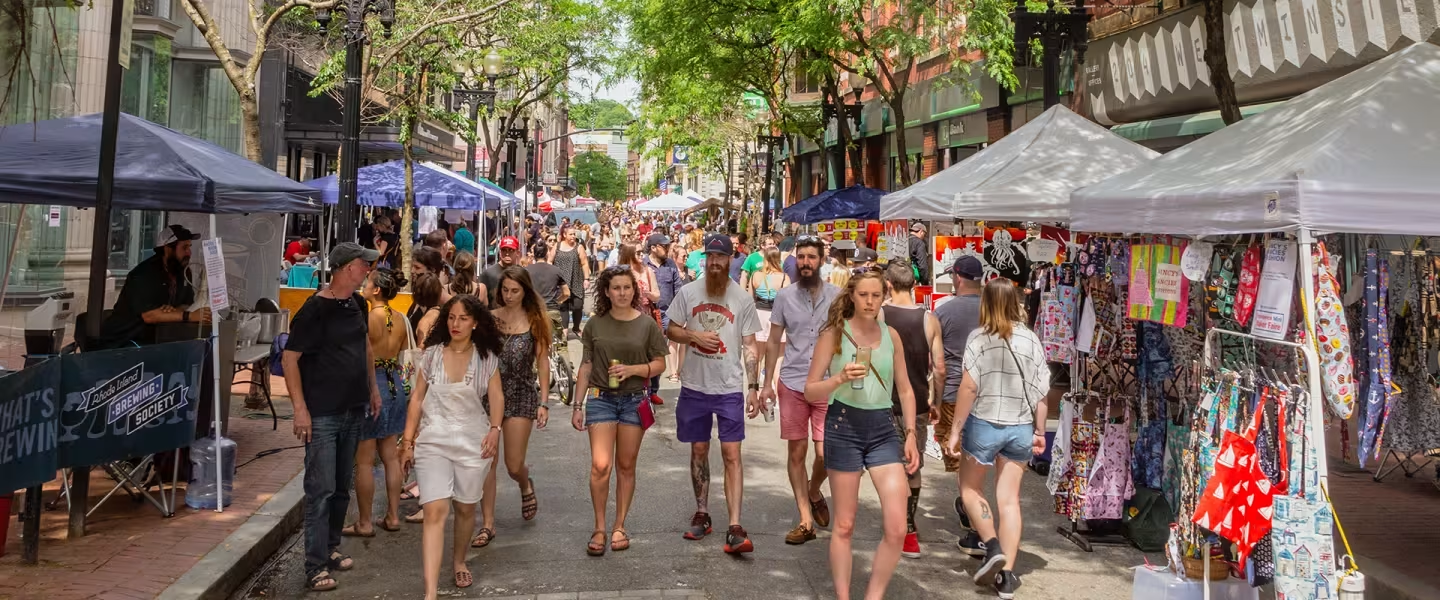
PVDFest, Credit: Go Providence
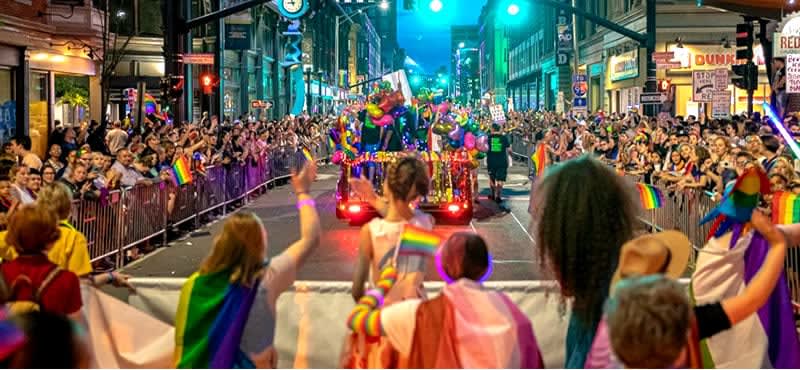
Rhode Island Pride Fest, Credit: Gay Travel
Not only is Providence the home of the esteemed Rhode Island School of Design (RISD) and Ivy League University Brown, but the community itself is centered around the arts and education. Creative people will feel at home and have plenty of outlets for their work. There’s also a thriving music and arts scene throughout the city, particularly in East Providence. Providence is featured in the LookyLOO Guide to the Best Art Center Cities in the U.S.
Don’t get us wrong, Providence is a lovely city, but being the tiny capital of the tiniest state of the union means there’s just not that much to do. The schools take up most of the real estate and most of the city’s persona. It’s relatively safe and easy to live in, and there’s plenty to do there, and learn about … but … if you're coming from a big city, it will feel quiet.
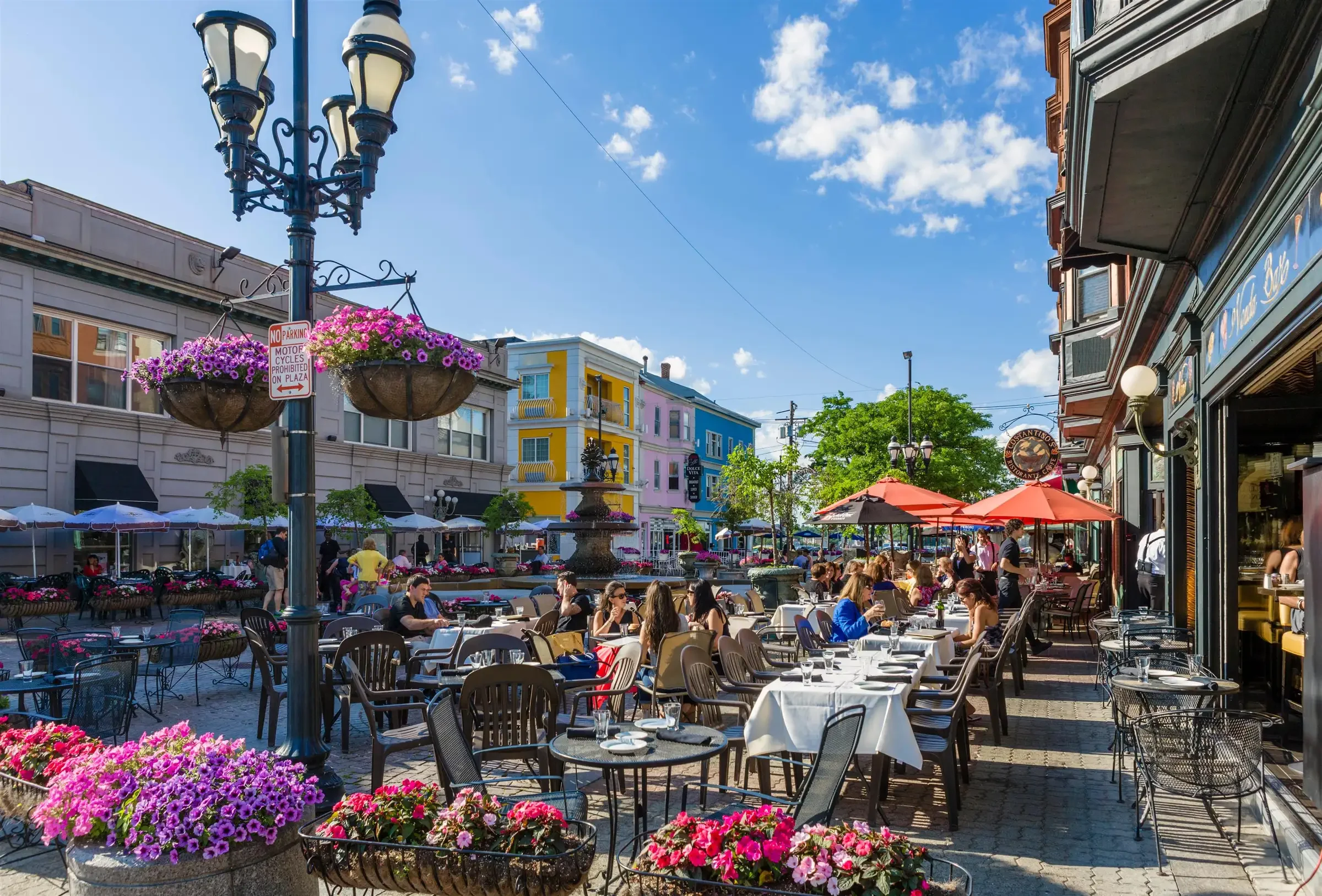
Providence shines in the summer with a big art fair, beautiful beaches, and lots of festivals. WaterFire, a festival where they light more than 80 bonfires on the rivers, is a big highlight. The east side is dominated by the college campuses, and the student communities center around Thayer Street. It’s relatively diverse, with a very strong Portuguese community. Many people work for the state or the universities or study at one of the great institutions. And it’s very walkable and bikeable, though most people do have cars.
If you want to see what's happening in Providence check out the calendar of events.
We highly recommend visiting Providence and staying in the community in a VRBO rather than a hotel to get a feel for living among the locals. You can also receive discounted travel fares via our partnership with Expedia.
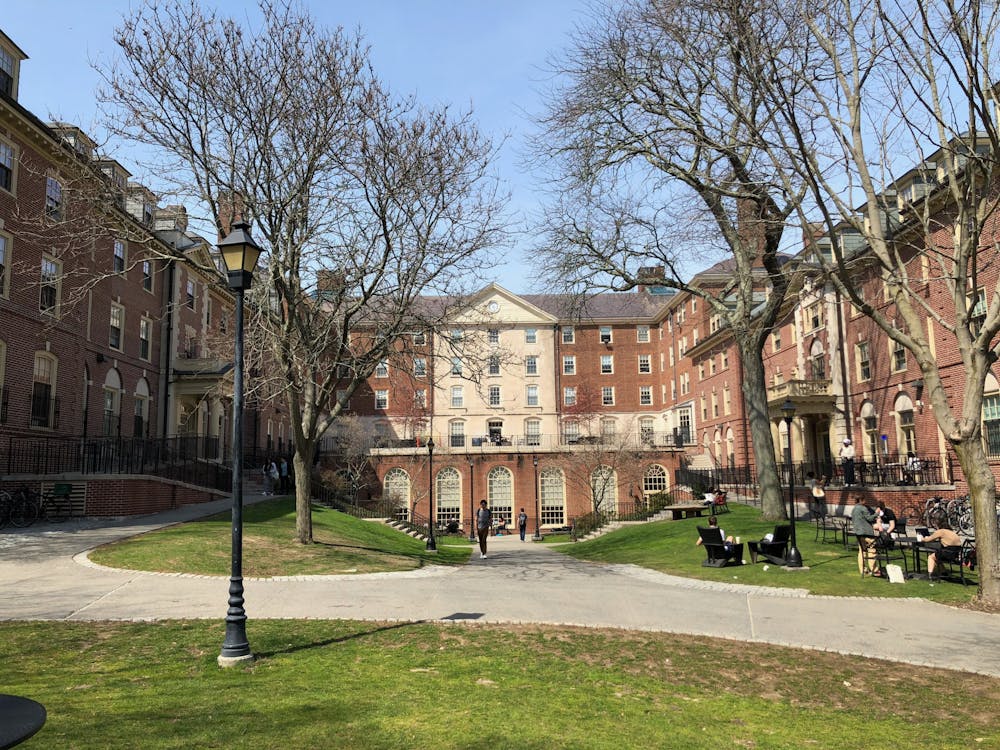
Brown University
Considering its relatively small size, Providence has a pretty diverse economy anchored by healthcare, education, state government, and design/creative work. Commuting is short for most people, and many employers sit within a couple of miles of downtown or the East Side.
Here are the industries that drive most of the local job market:
1. Higher Education & Colleges
Brown, RISD, Providence College, Johnson & Wales, and Rhode Island College are among the city’s largest employers. They hire across academics, administration, facilities, research, IT, design, and student-service roles.
2. Healthcare
Healthcare is one of the biggest sectors in the region. Key employers include:
- Brown Health** (Rhode Island Hospital, Hasbro Children’s Hospital.
- Care New England** (Women & Infants Hospital, Butler Hospital)
*-* Providence VA Medical Center
These systems offer roles across nursing, outpatient care, behavioral health, biotech support, and administrative jobs.
3. Creative, Design & Arts Work
RISD alumni and faculty influence the local creative economy. You see a concentration of design studios, architecture firms, galleries, and maker spaces in:
- The Jewelry District
- The Creative Capital Corridor
- South Main Street / College Hill (RISD area)
4. Hospitality & Food
Providence has a dense restaurant scene for a smaller city, and many graduates from Johnson & Wales stay in the area. Hospitality jobs include both fine-dining and casual dining, seasonal work, and event-venue roles.
5. Small Business & Professional Services
Accounting, legal, architecture, insurance, and marketing agencies are spread throughout downtown and the West End.
Commuting & Daily Worklife
Providence is compact, so commuting rarely spirals into long daily drives. Most jobs in healthcare, government, and education sit inside a 10–15 minute radius of the city center. Some residents commute to Boston or Worcester a few days a week, but that is typically for higher-paying specialized roles.
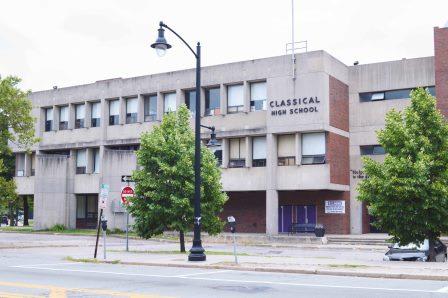
Classical High School, Providence
Providence has one public school district, y: Providence Public Schools (PPSD), and most families use the neighborhood schools within it. There are also a few charter and magnet options in the city that families can apply to if they want something outside of their zoned school.
PPSD is a large urban district that scores a "C" grade on niche.com, with a mix of newer programs, state-led improvement efforts, and several schools that stand out for specific strengths.
Public Schools – Providence Public School District (PPSD)
PPSD has a wide range of performance levels. Some schools struggle, but a handful of elementary and specialty schools are higher rated and have steady demand.
Notable Elementary Schools (Niche Ratings):
- George J. West Elementary — B rating on Niche; known for stronger-than-average math growth for the district.
- Vartan Gregorian Elementary (Fox Point) — B- rating; neighborhood-based, consistent year to year.
- Paul Cuffee Lower School (charter) — A- rating; strong reputation citywide for stability and structure.
Middle Schools:
- Nathanael Greene Middle School — B rating; one of the more academically stable middle schools.
- Paul Cuffee Middle School (charter) — A- rating; project-based learning, very steady enrollment demand.
High Schools:
- Classical High School — A+ rating and one of the top public high schools in the state. Admission is selective, and students come from across Providence.
- Providence Career & Technical Academy (PCTA) — B rating; hands-on programs in HVAC, electrical, culinary, and automotive.
- Hope High School Arts Magnet Program — known for visual and performing arts; varies year to year but offers unique tracks.
Private & Independent Schools
Providence has several well-established private options that many families consider:
- Moses Brown School — Quaker, Pre-K–12; one of the strongest academic programs in the state.
- The Wheeler School — Pre-K–12; arts, progressive curriculum; draws many East Side families.
- La Salle Academy — Catholic, grades 6–12; large school with strong athletics and AP offerings.
- Providence Country Day (PCD) (East Providence) — small classes, strong student support.
If you are an artist, or are into the arts, or a student, you’ll feel right at home at Providence, though the city also has a good mix of blue-collar workers. And improvements to the city are ongoing. The city is revitalizing the area between Pawtucket and Central Falls as the Conant Thread District, a charming 150-acre tract full of cool old mill buildings, and anchored by a new train station.
Providence, like Boston, isn't a pure college town, but the students and schools give the city a vibe that permeates the energy of the area. Check out the LookyLOO Guide to the Best College Towns in the U.S. to compare.
Weizenugb
2y ago
🦉🦉🦉
Providence is wonderful. Amazing restaurants and bars, easy to get around, way less hectic than Boston but still plenty to do and cheaper. It’s much different now than how all the old-heads remember it back in the day. I’ve been lucky to see it grow, and yes, like OP said it is an overlooked gem.
For more reviews of what living in Providence is like from locals check out: The Reviews
A: Providence costs less than Boston but more than many mid-sized cities. Housing varies by neighborhood: College Hill and Blackstone run high, while areas like Elmhurst, Mount Hope, and Silver Lake are more affordable. Daily costs — groceries, restaurants, utilities — are moderate for New England.
A: Most jobs fall into healthcare, higher education, state government, and design/creative work. Brown University, Lifespan Health, Care New England, and the State of Rhode Island are major employers. Remote workers often choose Providence for lower costs compared to Boston while still being within commuting distance when needed. Remote workers flourish here.
A: Providence Public Schools vary. Classical High School is one of the top high schools in the state, and PCTA offers strong technical programs. Some charter and magnet options have good reputations. Families who want consistency often look closely at individual schools rather than relying on the district average.
A: Safety depends on the neighborhood. College Hill, Fox Point, Blackstone, and parts of Elmhurst feel steady and predictable. Downtown is active during the day but quiet at night. Some areas farther west have higher rates of property crime. Like any city, it’s worth walking the neighborhood before making a decision.
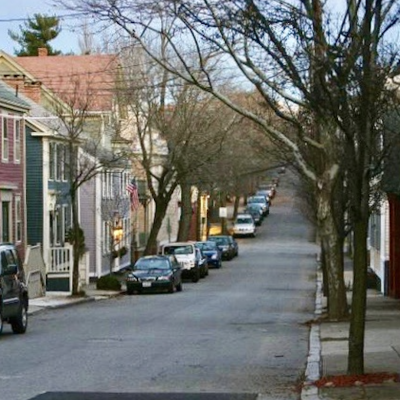
A: The East Side, especially around Thayer Street, South Main, and Benefit Street, is very walkable. Downtown is compact and easy to navigate. Many people own cars, but daily errands don’t always require one if you live near the city center or the universities.
A: Providence has a strong restaurant culture for its size. You’ll find everything from casual diners to award-winning spots like Al Forno. The influence of Johnson & Wales University gives the city a steady supply of trained chefs and hospitality workers.
A: Winters are cold and snowy, with regular freezes. Summers are warm and humid. Spring and fall tend to be mild and short. If you’re coming from the South or the West Coast, the winter adjustment is noticeable.
A: Yes. The commuter rail runs from Providence to Boston, and the drive via I-95 usually takes 50–60 minutes outside of busy hours. Many people live in Providence and work part-time or hybrid in Boston.
A: College Hill and Fox Point for walkability and access to the universities; Blackstone for quiet, established residential streets; Elmhurst for more space at lower prices; and Downtown for short, car-free commutes.
Use our friends at VRBO and Expedia to help get you going!

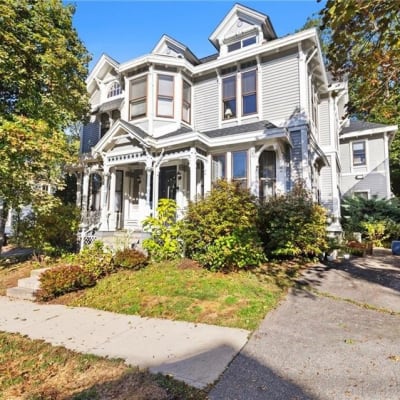
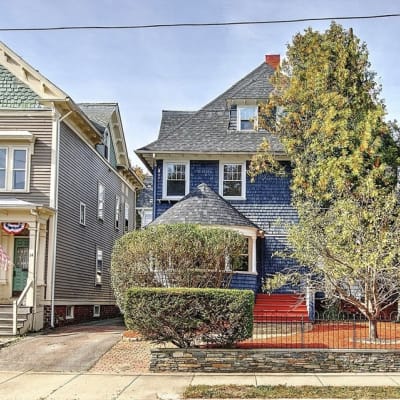
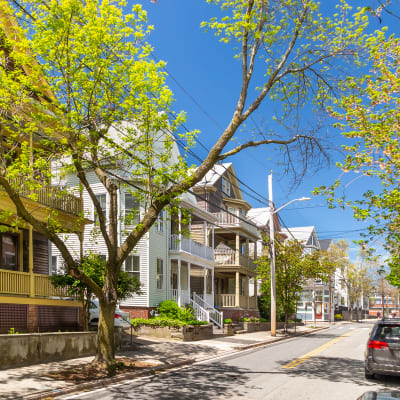
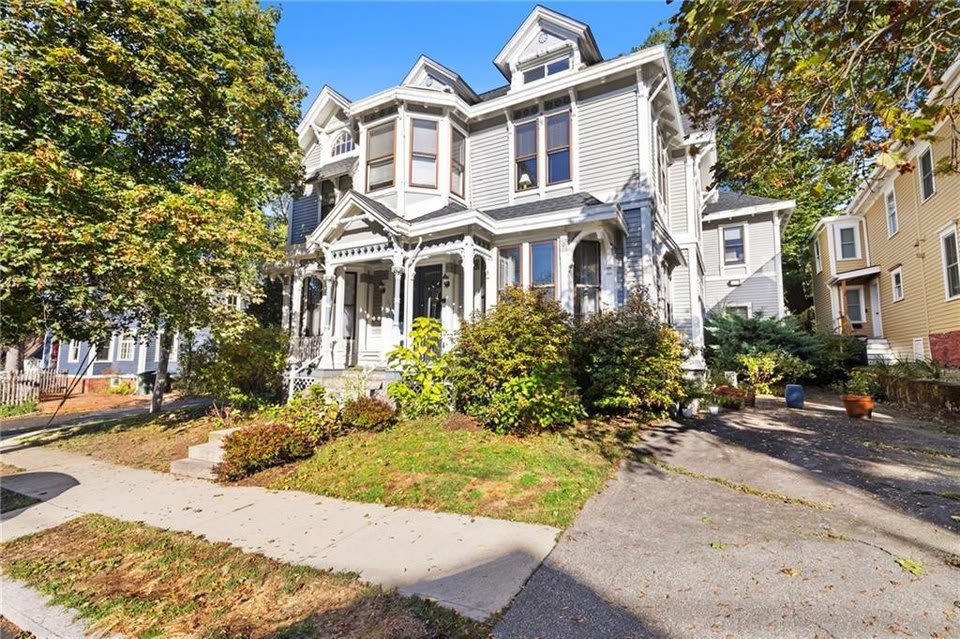
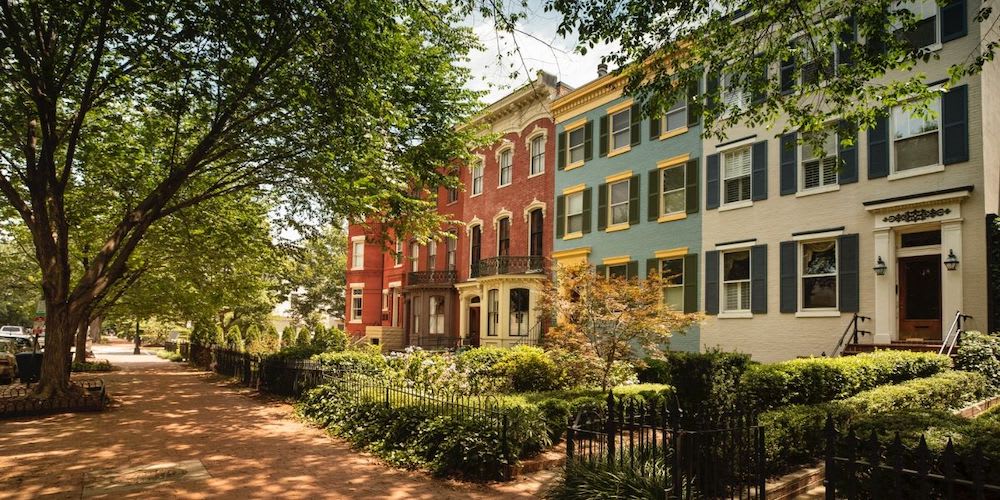
College Hill is home to Brown University, Rhode Island School of Design, and Pembroke College. As with many New England college neighborhoods, there are apartment buildings and split-level homes for housing options and plenty of cheap eats and good pubs for nights out. Thayer Street runs through the neighborhood and has cafés, bookstores, and casual restaurants that mainly serve the campus community. There are also young professionals living here, as relatively inexpensive apartments will always be fair game for those in school and those recently graduated. Mostly, though, the choice here is about the proximity to schools and the opportunity for beer and pizza!
Zoned Schools:
- Vartan Gregorian Elementary
- Nathan Bishop Middle
- Hope High
Median Home Price: Around $780,000 (higher due to historic housing stock)
Similar Neighborhoods:
-Harvard Square fringe (Cambridge)
-East Rock (New Haven)