
Where to Live in Florida’s Panhandle (2025 Guide)
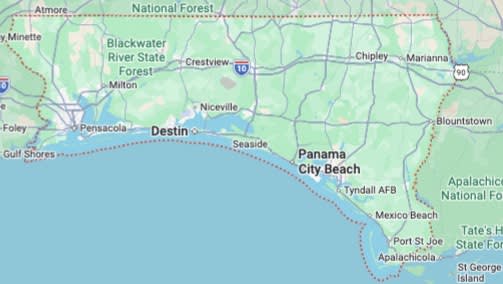
Florida’s Panhandle runs from the Alabama border east to Panama City and feels very different from the rest of the state. This part of Florida is shaped less by tourism brands and more by military bases, regional employers, and long-term residents.
People who move here are usually trading South Florida energy or Gulf Coast affluence for a quieter daily life and proximity to the beach without resort pricing.
This is one of the most affordable coastal regions left in Florida, but it comes with tradeoffs around job diversity and storm exposure.
The Panhandle at a Glance
The region includes cities like Pensacola, Panama City, and smaller coastal communities stretching along the Gulf. The economy is anchored by:
- Military installations
- Healthcare systems
- Education
- Tourism and hospitality
Population growth has been steady rather than explosive. Many new residents arrive because they already have a job connection, remote or otherwise, or military ties.
How the Region Is Structured
Daily life in the Panhandle follows the coastline. US-98 acts as the main east–west corridor, running through most coastal cities. I-10 sits inland and handles long-distance travel, freight, and evacuations.
Beach communities sit south of US-98. More affordable residential neighborhoods are often north of it.
Barrier islands and bridges affect commuting patterns. Living closer to the water usually means higher prices and more storm exposure. Living inland usually means longer drives to the beach but easier daily routines.
What Daily Life Is Like
Daily life in the Panhandle is slower and more localized than in South or Central Florida. Most people drive everywhere. Errands, schools, medical appointments, and work are spread out. Walkability exists in small pockets, but you have to really seek it out if you want to live near it.
Weekdays are dictated by military schedules, suburban school routines, and healthcare jobs, which create predictable patterns. Weekends often revolve around the beach, fishing, boating, or staying local rather than big nightlife or major cultural events.
Seasonality exists, especially in beach towns, but it’s less intense than in Naples or Sarasota.
Economic Landscape & Worklife
Employment in the Panhandle is more concentrated than in other Florida regions. Major drivers include:
- Military and defense
- Healthcare
- Education
- Tourism
Job options outside these sectors are more limited. People who thrive here usually come with work secured or flexibility built in.
Remote work has become more common and fits the region well, especially for people who don’t need daily access to large job markets.
Housing Patterns & Costs
Housing is one of the Panhandle’s biggest advantages. Home prices are significantly lower than in South Florida and Southwest Florida.
- Single-family homes dominate.
- New construction exists but is less dense and more spread out.
Flood zones and insurance still matter, especially near the coast, but ownership costs are often more manageable than in southern Gulf Coast markets.
Schools
School quality varies by district and neighborhood. Some areas near military bases and larger cities perform better than rural zones. Families typically evaluate specific schools, not districts as a whole, before choosing where to live.
Private school options are limited but present in larger cities.
Florida Panhandle Subregions
Pensacola Area
**The Vibe: Military-influenced, historic, and practical.
*Why It Works*: Stable employment, affordability, and beach access.
*Watch Out For*: Slower growth and limited white-collar job variety.
*Good Fit For*: Military families, retirees, and remote workers.
Areas to explore: East Hill, Downtown Pensacola, Ferry Pass.
Take a Deep Dive Into: Pensacola →
Panama City Area
The Vibe: More suburban and spread out.
Why It Works: Housing affordability and military presence.
Watch Out For: Storm recovery cycles and seasonal swings.
Good Fit For: Value-focused buyers and service-sector workers.
Areas to explore: Panama City Beach (select pockets), Lynn Haven.
Take a Deep Dive Into: Panama City →
Smaller Gulf Communities
The Vibe: Quiet and residential.
Why It Works: Low density and beach access.
Watch Out For: Limited services and job options.
Good Fit For: Retirees and flexible residents.
Destin / Fort Walton Beach
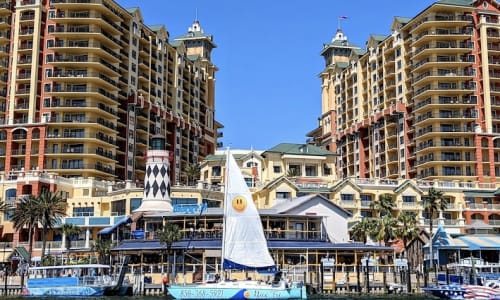
Destin is one of the most nationally recognized beach markets in the Panhandle, known for white-sand beaches and a tourism-driven economy. Housing skews toward condos, short-term rentals, and second homes, with prices reflecting demand from both vacation buyers and part-time residents.
Daily life here feels more resort-oriented than in Pensacola and more built-up than Panama City Beach. Many people search for Destin as a standalone city rather than as part of a broader metro, which is why we treat it separately in LookyLOO.
Who the Panhandle Works For
- Military families
- Remote workers
- Retirees prioritizing affordability
- Buyers priced out of southern Florida
- People who value quiet over activity
Tradeoffs to Know
- Limited job diversity
- Car-dependent daily life
- Hurricane exposure
- Fewer cultural amenities
- Smaller healthcare systems outside major cities
Is the Florida Panhandle a Good Fit?
The Panhandle works best for people who want coastal access without Florida’s higher price points and who are comfortable with fewer amenities and slower growth.
It is a harder fit for people seeking fast-paced job markets or major culture and nightlife.
Comparing the Panhandle with Orlando, Tampa Bay, or Southwest Florida?
Save the regions you’re considering in LookyLOO so you can compare housing costs, schools, storm exposure, and daily routines before deciding.