
Where to Live in the Jacksonville & Northeast Florida Metro Area (2025 Guide)
The Jacksonville Metro at a Glance
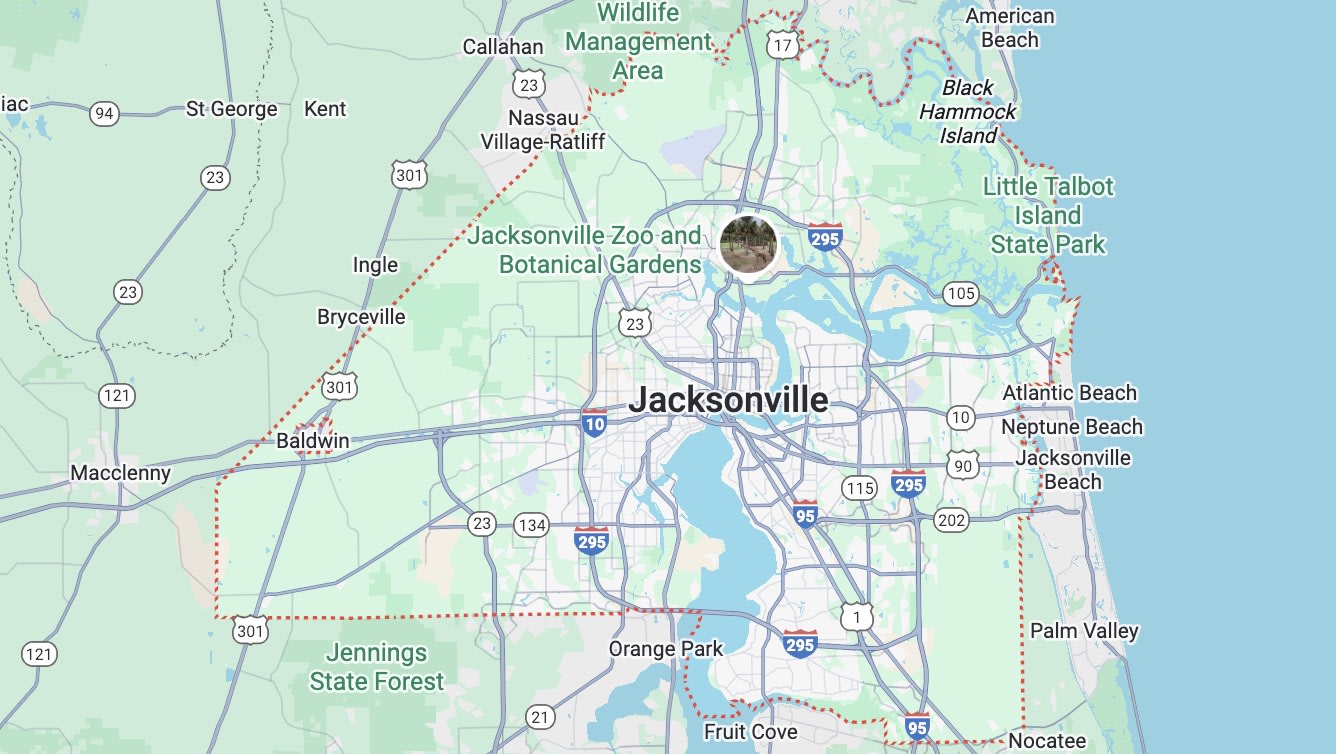
The Jacksonville metro covers a large stretch of Northeast Florida and feels very different depending on where you live. The city of Jacksonville itself is geographically massive, and many people who say they live in “Jacksonville” are actually in surrounding suburbs or county areas.
Population growth here has been steady rather than explosive, as we've seen in other regions of Florida. People move to this region for affordable homes and jobs rather than trend-driven lifestyle reasons. The metro appeals to households looking for lower housing costs than South Florida or Tampa, with access to jobs and beaches.
Economic Landscape
Jacksonville’s economy is broad and stable. Major employment sectors include logistics, healthcare, financial services, defense, and port-related industries.
Key employers include
The Port of Jacksonville also supports a large logistics and transportation workforce. Military employment plays a significant role in housing demand and school enrollment in certain parts of the metro.
How the Metro Is Structured
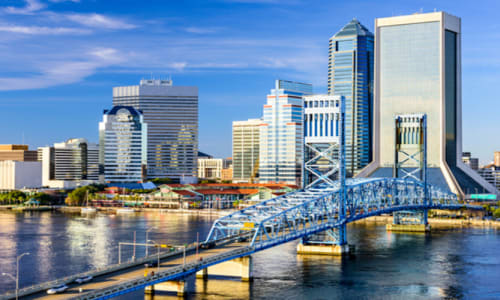
Jacksonville is not organized around a single core. Daily life is shaped by driving on the busy highways, across the many bridges and over long distances in this massive city and metro. It surprises newcomers that Jacksonville is the largest city my size in the continental U.S.
- The St. Johns River divides the city and affects commute patterns.
- I-95 and I-295 act as the main connectors.
- Many people live far from where they work but accept that as normal.
- Suburbs often function independently rather than feeding into a downtown core so if you like a suburb with its own downtown experience you'll find them here.
Jacksonville & Northeast Florida Subregions
Jacksonville Proper
The Vibe: Spread out and varied. Some neighborhoods feel urban. Others feel suburban or industrial.
Why It Works: Jobs, hospitals, and established neighborhoods exist within city limits.
Watch Out For: Large distances and uneven neighborhood quality.
Good Fit For: Buyers who want city services without suburban pricing.
Areas to explore: Riverside, Avondale, San Marco, Mandarin, Arlington.
Take a Deep Dive Into: Jacksonville Proper →
Beaches (Jacksonville Beach, Neptune Beach, Atlantic Beach)
The Vibe: Laid-back and residential with a strong beach culture.
Why It Works: Daily access to the ocean and a self-contained lifestyle.
Watch Out For: Higher prices and limited inventory.
Good Fit For: Buyers prioritizing coastal living over commute convenience.
Take a Deep Dive Into: Jacksonville Beaches →
St. Johns County / Nocatee
The Vibe: Newer, planned, and family-focused.
Why It Works: Schools drive demand here more than anywhere else in the metro.
Watch Out For: Traffic and rapid growth.
Good Fit For: Families willing to trade commute time for schools and newer homes.
Take a Deep Dive Into: St. Johns County & Nocatee →
Orange Park & Clay County
The Vibe: Traditional suburb with military influence.
Why It Works: Affordability and proximity to NAS Jacksonville.
Watch Out For: Car dependence and fewer amenities.
Good Fit For: Military families and value-focused buyers.
Take a Deep Dive Into: Clay County & Orange Park →
TL;DR – Where to Live in Jacksonville & Northeast Florida
Subregion---------------The Vibe---------------Best For
Jacksonville Proper-----Large & varied----------Buyers wanting flexibility & affordability
Beaches-----------------Coastal & relaxed-------Beach-focused lifestyles
St. Johns County--------New & school-driven----Families prioritizing schools
Clay County-------------Affordable & suburban---Military & budget-focused buyers
Housing Snapshot
Jacksonville remains one of the more affordable large metros in Florida. Prices vary widely by subregion and are well below national averages. Beach areas and St. Johns County command premiums. Jacksonville Proper and Clay County offer more attainable options for buyers seeking space and detached homes.
Commute & Transit
Driving is the default. Commutes can be long due to distance as well as congestion. Bridges over the St. Johns River can add unpredictability to daily travel. Public transit plays a limited role in most residents’ routines.
FAQs
Q: Is Jacksonville a good metro for families?
A: It can be, especially in St. Johns County and parts of Clay County. School quality varies widely by area.
Q: Does Jacksonville feel like a big city?
A: Geographically, yes. In daily life, most people experience it as a collection of separate suburbs.
Q: How important is the military presence?
A: Very. It influences housing demand, school populations, and employment in several subregions.
Q: Is living at the beach practical for commuters?
A: It depends on the work location. Beach residents often accept longer drives or choose jobs nearby.
Comparing Florida metros or Jacksonville-area suburbs?
Save the areas you’re considering in LookyLOO so you can compare housing costs, commute patterns, and school trade-offs side by side.